Modernizing Legacy Enterprise Platforms for Performance and Scale
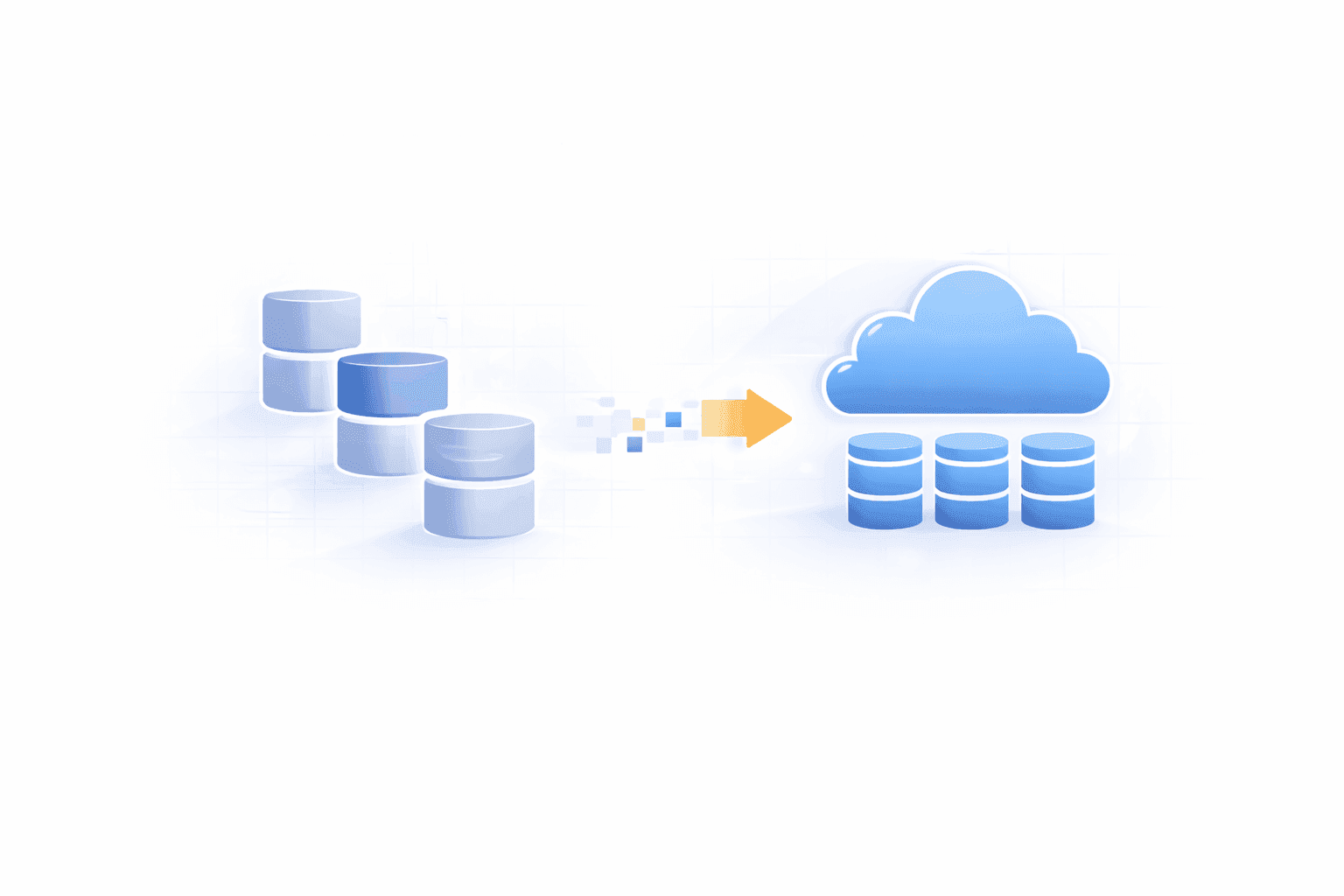
We upgrade and re-architect legacy systems for governments and regulated enterprises across GCC, improving scalability, security, and governance while maintaining operational continuity.
When do I need to modernize the enterprise platform?
- My core systems' performance degrades under load.
- We rely on legacy architecture that slows innovation.
- My platforms lack modern security controls and audit mechanisms.
- We cannot afford Operational downtime while upgrading our technology stack.
If these challenges apply to your organization, structured modernization may be essential to protect long-term digital stability.

End-to-End Enterprise Platform Modernization
We re-architect, migrate, optimize, and secure legacy systems, ensuring long-term performance, resilience, and integration readiness.
- Performance and bottleneck analysis
- Infrastructure and hosting assessment
- Security and compliance gap review
- Risk and dependency mapping
- Monolith-to-microservices transformation
- Modularization of legacy systems
- API-first architecture design
- Cloud-native architecture planning
- Database restructuring and optimization
- Migration to AWS, Azure, or Google Cloud
- Containerization and Kubernetes orchestration
- Infrastructure as Code implementation
- High-availability and disaster recovery setup
- Identity and access management upgrades
- Data encryption and audit logging
- Role-based controls
- Compliance alignment for regulated environments
- Load balancing and scaling strategies
- Codebase optimization
- Query and database performance tuning
- Monitoring and alerting implementation
- Phased migration strategies
- Parallel system operation where required
- Zero-downtime deployment models
- Knowledge transfer and long-term support
Operational Impact You Can Measure
Structured modernization designed to improve stability, security, and scalability without operational disruption.

Improved platform performance under high transaction volumes

Stronger cybersecurity posture and compliance readiness

Scalable infrastructure aligned with growth plans

Faster delivery of new features and integrations
How We Execute Enterprise Modernization Safely
A risk-aware, phased methodology designed for operational continuity and governance control.
We analyze system architecture, dependencies, integrations, and operational constraints.
Outcome:
Clear modernization roadmap with risk assessment.
We define whether to refactor, replatform, rebuild, or replace components.
Outcome:
Strategic modernization plan aligned with business priorities.
We modernize components incrementally, validating stability at each stage.
Outcome:
Gradual transformation without system instability.
Legacy and modernized components operate side-by-side where necessary.
Outcome:
Zero-disruption transition.
Performance benchmarks and security validation before full rollout.
Outcome:
Production-grade readiness.
Continuous monitoring and evolution as system demands grow.
Outcome:
Sustained digital resilience.
Where Enterprise Platform Modernization Creates Strategic Value
Modernization enables long-term operational resilience, security reinforcement, and innovation capacity across complex digital ecosystems.
- National portals
- Licensing and regulatory systems
- Public-facing service platforms
- Multi-agency coordination systems
Typical environments:
Public sector entities, national digital transformation programs, and regulatory authorities.
- Core operational platforms
- Risk and compliance systems
- High-volume transaction systems
- Audit and reporting infrastructures
Typical environments:
Financial institutions, insurance systems, and regulated enterprise environments.
- ERP extensions and modernization
- Workflow and case management engines
- Approval and governance platforms
- Shared services systems
Typical environments:
Large enterprises, multi-entity corporations, operationally complex organizations.
- E-commerce platforms
- Multi-entity digital ecosystems
- Subscription and service management systems
- Regional commerce infrastructures
Typical environments:
Retail enterprises, digital service providers, and high-growth commerce environments.
Government Digital Platforms
- National portals
- Licensing and regulatory systems
- Public-facing service platforms
- Multi-agency coordination systems
Typical environments:
Public sector entities, national digital transformation programs, and regulatory authorities.
Financial & Regulated Systems
- Core operational platforms
- Risk and compliance systems
- High-volume transaction systems
- Audit and reporting infrastructures
Typical environments:
Financial institutions, insurance systems, and regulated enterprise environments.
Enterprise Internal Systems
- ERP extensions and modernization
- Workflow and case management engines
- Approval and governance platforms
- Shared services systems
Typical environments:
Large enterprises, multi-entity corporations, operationally complex organizations.
High-Traffic Commerce & Service Platforms
- E-commerce platforms
- Multi-entity digital ecosystems
- Subscription and service management systems
- Regional commerce infrastructures
Typical environments:
Retail enterprises, digital service providers, and high-growth commerce environments.
Let’s Evaluate Your Platform Modernization Priorities
A focused discussion of infrastructure risks and scalable modernization pathways aligned with your digital transformation roadmap.