Enterprise System Integration & Data Platforms Built for Complex Digital Ecosystems
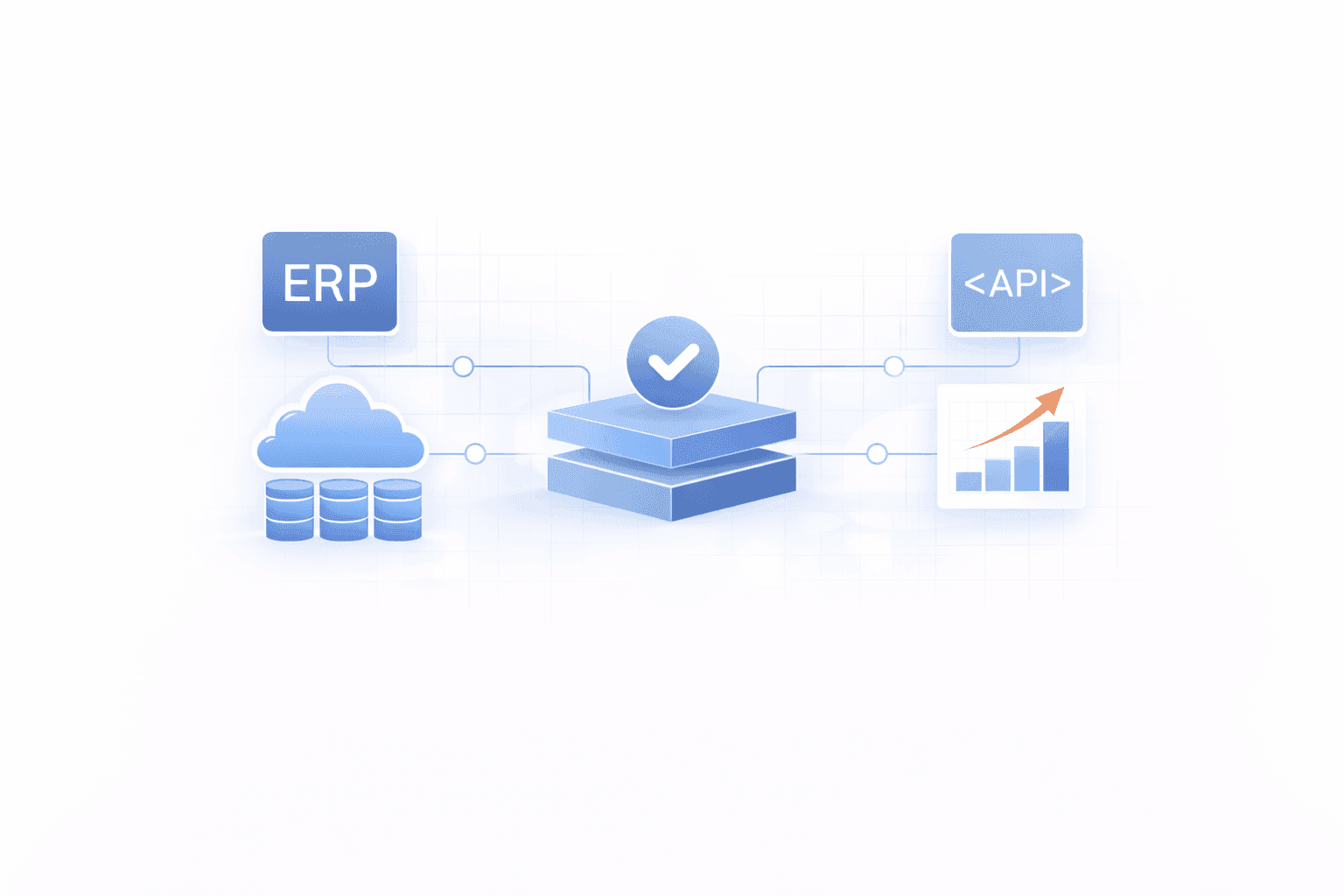
We design and implement secure system integration architectures that connect enterprise platforms, data ecosystems, and operational workflows across government and regulated organizations.
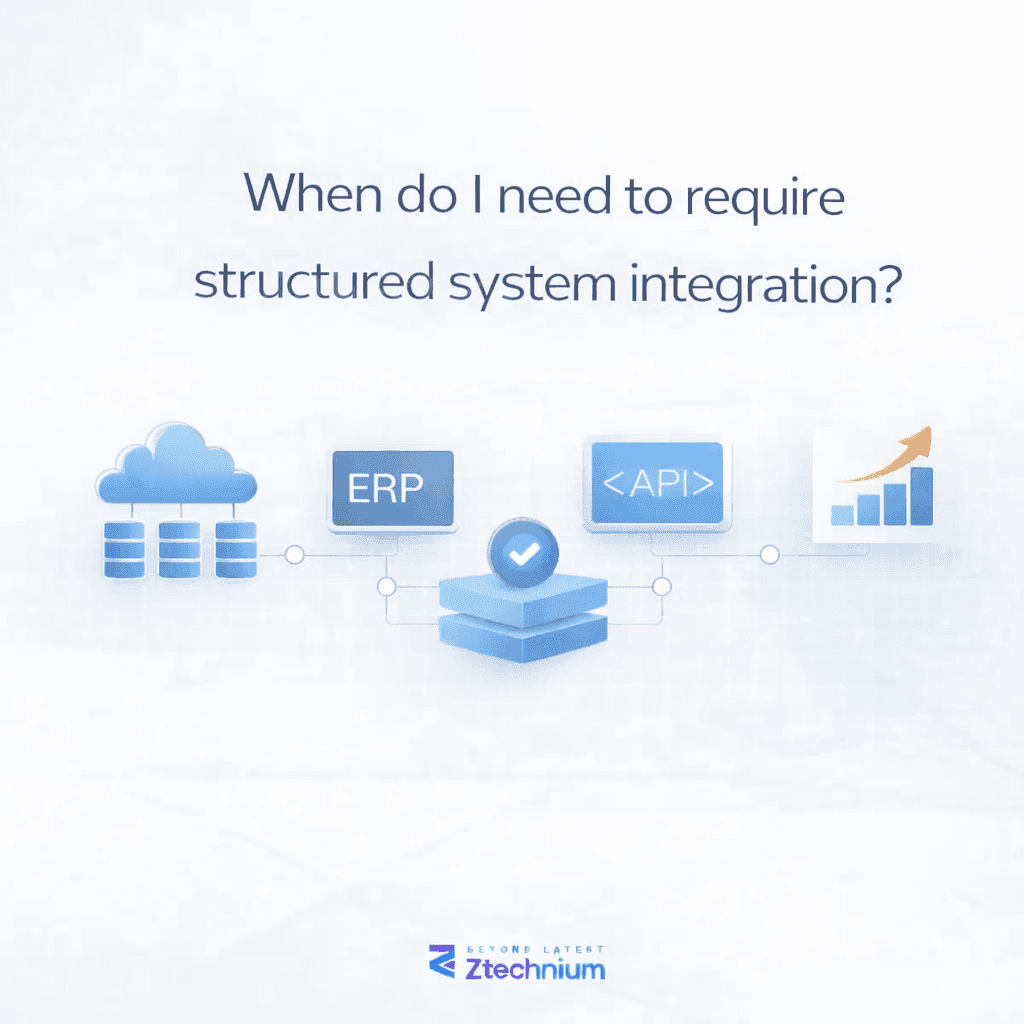
When do I need to require structured system integration?
- Our systems rely on disconnected tools, leading to inconsistent data and manual reconciliation.
- We struggle with Multiple sources of truth create reporting and governance challenges.
- Adding AI, portals, or third-party tools creates instability.
- Our reports are delayed because systems are not properly synchronized.
If these challenges sound familiar, system integration can unlock the operational value already hidden within your platforms.

End-to-End System Integration & Data platforms
We design integration architectures that connect enterprise systems, unify data flows, and enable secure, scalable operations across complex digital environments.
- Enterprise integration architecture design
- API strategy and integration patterns
- Event-driven system architecture
- Data governance and integration standards
- Integration roadmap aligned with business priorities
- Secure API design and management
- ERP, CRM, and core platform integrations
- Microservices-based integration layers
- Identity and access management integration
- Interoperability across internal and external systems
- Enterprise data pipelines and ingestion
- Operational data lakes and warehouses
- Real-time and batch processing pipelines
- Data synchronization across systems
- Scalable data architectures for analytics and AI
- Cross-platform workflow automation
- Case management integrations
- Event-driven operational processes
- SLA tracking and exception handling
- Enterprise workflow visibility across systems
- Access control and identity governance
- Data protection and compliance controls
- Audit trails and traceable system interactions
- Operational monitoring and integration observability
- Integration lifecycle governance
- Integration monitoring and incident management
- Performance optimization across pipelines
- Scalability planning as platform usage grows
- Operational support and continuous improvement
Structured integration is designed to improve visibility, consistency, and operational efficiency.

Unified data visibility across departments and platforms

Reduced operational delays caused by manual data transfer

Improved governance through traceable data flows

Scalable platform ecosystems ready for future digital services
How We Integrate Systems Without Disrupting Operations
A structured approach to integration that prioritizes stability, governance, and operational continuity.
We analyze existing systems, data flows, ownership models, and compliance constraints.
Outcome:
Clear integration map and risk overview.
We define APIs, middleware layers, data pipelines, and governance checkpoints.
Outcome:
Scalable integration blueprint aligned with enterprise standards.
Integration layers are developed with role-based access, logging, and performance validation.
Outcome:
Reliable, secure system interoperability.
Phased rollout with fallback mechanisms and monitoring.
Outcome:
Operational continuity without disruption.
Continuous tracking of performance, latency, and data consistency.
Outcome:
Long-term integration resilience.
Where System Integration Creates Strategic Enterprise Value
Enterprise integration connects systems and workflows across departments, enabling organizations to operate as a unified digital platform.
- Citizen service portals
- Licensing and regulatory platforms
- Cross-agency service integrations
Typical environments:
Public-sector platforms, national digital services, and regulatory ecosystems.
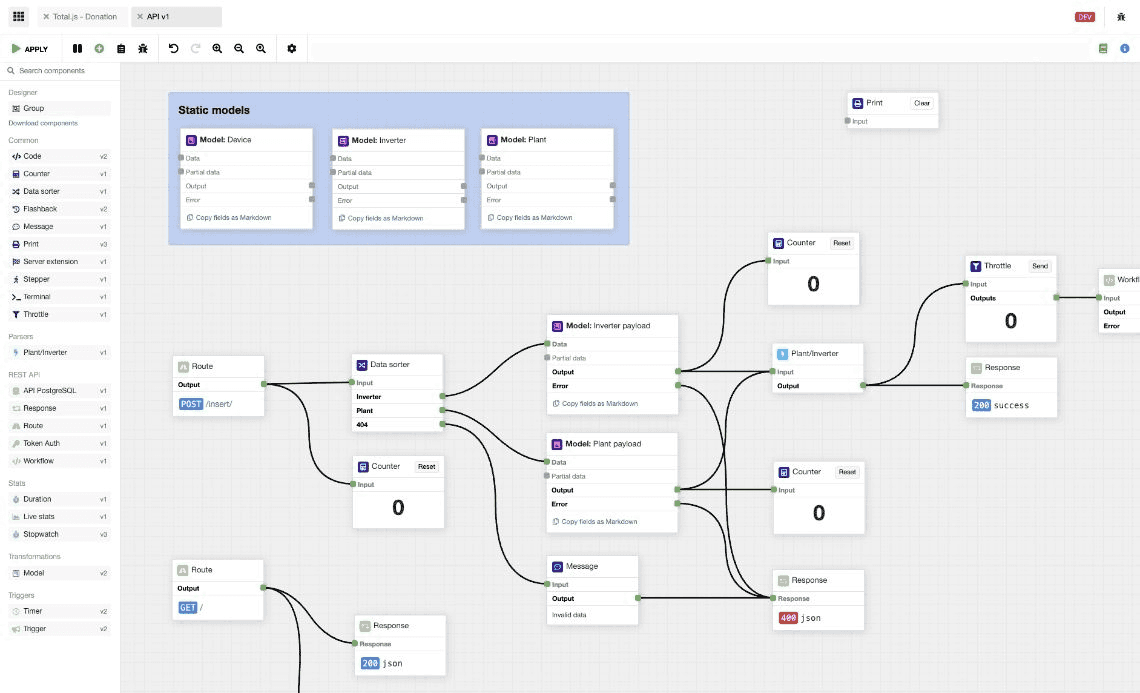
- ERP and CRM integrations
- Finance and operations systems
- Internal service platforms
Typical environments:
Large enterprises, multi-entity organizations, and shared service centers.
- Enterprise data lakes
- Operational reporting platforms
- AI and analytics data pipelines
Typical environments:
Data-driven enterprises, AI programs, and operational intelligence platforms.
- Customer platforms connected to backend systems
- Partner integrations and external APIs
- Regional or multi-entity platform ecosystems
Typical environments:
Large digital programs, ecosystem platforms, and multi-system enterprise environments.
Government Digital Platforms
- Citizen service portals
- Licensing and regulatory platforms
- Cross-agency service integrations
Typical environments:
Public-sector platforms, national digital services, and regulatory ecosystems.
Enterprise Operational Platforms
- ERP and CRM integrations
- Finance and operations systems
- Internal service platforms
Typical environments:
Large enterprises, multi-entity organizations, and shared service centers.
Data & Analytics Platforms
- Enterprise data lakes
- Operational reporting platforms
- AI and analytics data pipelines
Typical environments:
Data-driven enterprises, AI programs, and operational intelligence platforms.
Multi-System Digital Ecosystems
- Customer platforms connected to backend systems
- Partner integrations and external APIs
- Regional or multi-entity platform ecosystems
Typical environments:
Large digital programs, ecosystem platforms, and multi-system enterprise environments.
Let’s Evaluate Your System Integration Strategy
A focused discussion to assess system silos, integration risks, and data architecture priorities aligned with your digital transformation roadmap.